
Review Highlights Gaps in Understanding of Benefits and Potential Harms of Childhood Obesity Interventions
A recent Obelisk study led by Marthe Smedinga and Stuart McLennan at the Technical University of Munich (TUM), aimed to determine the spectrum of ethical issues that may be raised by interventions to prevent or treat childhood obesity.
The study, published in Obesity Reviews, found that many interventions lacked strong evidence of long-term effectiveness and identified potential harms in eighty per cent of the interventions reviewed. Researchers highlight the need to shift towards a systems-based approach to childhood obesity, looking beyond individual behaviours at the wider factors that influence health.
What Did the Study Involve?
The study was a systematic review of 64 publications that described ethical issues raised by interventions to prevent or treat childhood obesity. The interventions in each study were divided into:
- Individual, such as counselling or treatment
- Community, such as group-based education, or
- Societal, such as policy or a change in the environment.
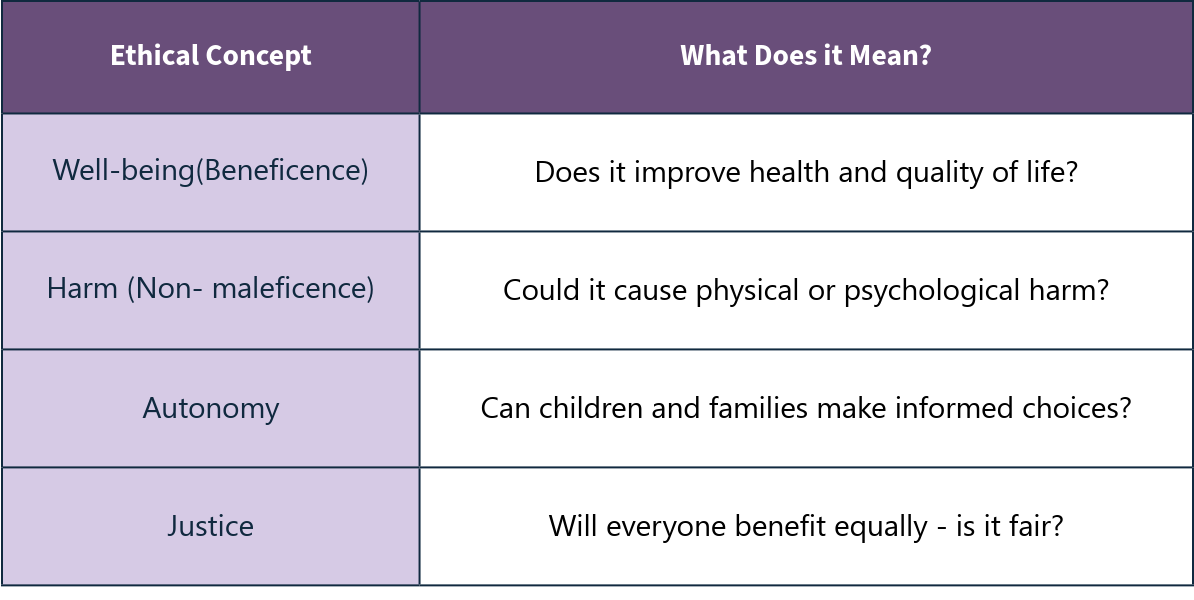
The publications were analysed by dividing ethical issues using the defined ethics approach of principlism, a framework that guides decision-making by applying four moral principles:
- Well-being (beneficence)
- Harm (non- maleficence)
- Autonomy
- Justice
There was also an added category of ethical uncertainty, a prominent issue raised in the literature.
Main Findings of the Study
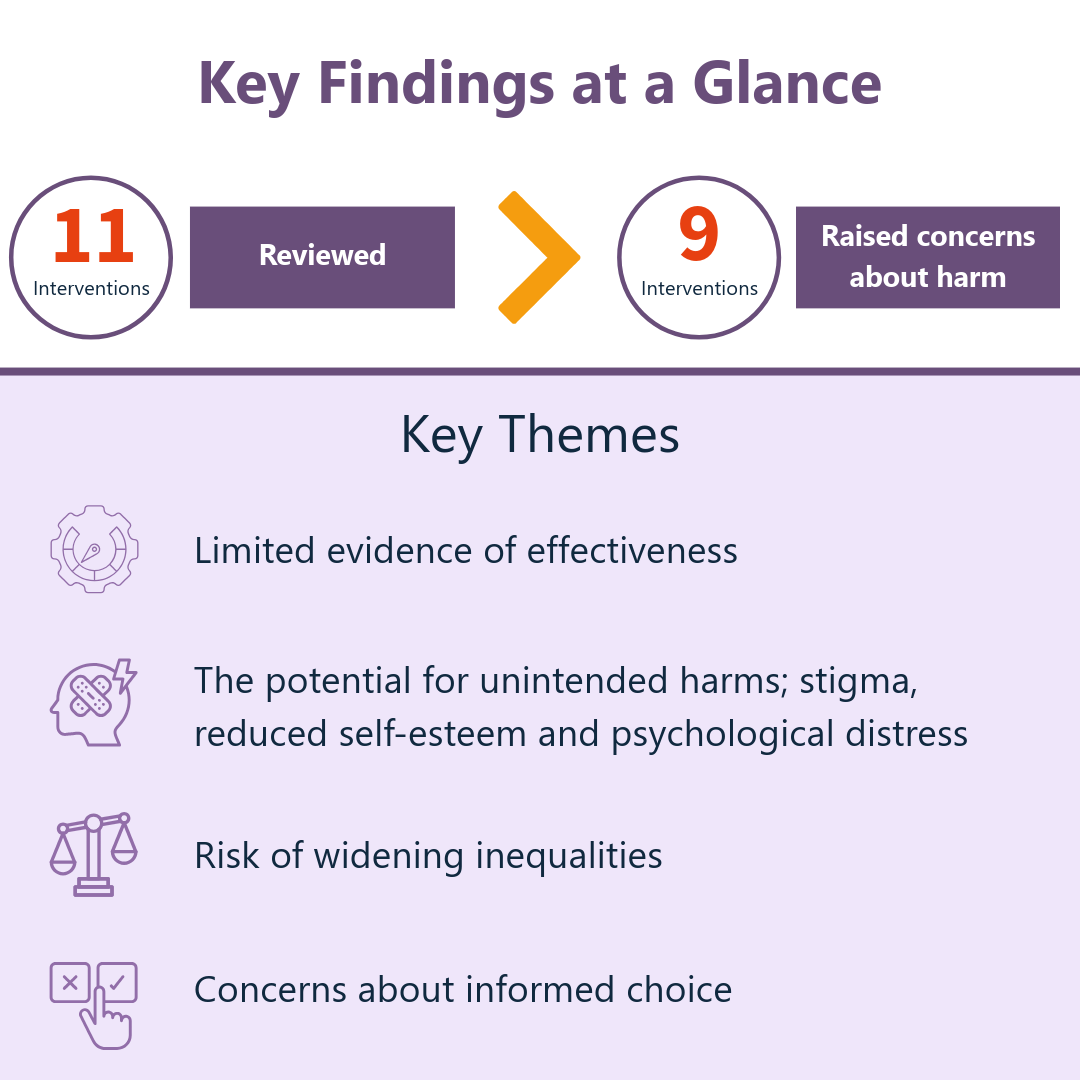
A total of eleven different types of childhood obesity interventions were identified in the included publications.
Preventative Interventions
1. Predictive tests
Predictive tests use genetic or non-genetic information to estimate an infant's likelihood of developing obesity in the future and could help identify infants at higher risk of obesity, allowing earlier support and prevention strategies. The studies included in the review suggested that these tests could support wellbeing by helping families and healthcare professionals take early action to reduce risk. However, several ethical concerns were also identified.
The studies raised concerns that results may cause unintended harm such as results being misunderstood, potentially leading to inappropriate feeding practices, parental guilt, or stigma.
Predictive risk information can be complex, and if parents are not given appropriate support to understand the results, they may find it difficult to make informed choices about how to respond. Some publications further noted that an emphasis on genetic risk could encourage the belief that obesity is predetermined, potentially reducing the perceived importance of lifestyle and environmental factors that also influence health outcomes.
Questions of fairness and equity were another recurring theme. The cost of predictive testing could limit access for some families, raising concerns that the benefits would not be shared equally across society. The research also noted that many actions recommended to reduce obesity risk, such as access to healthy food, organised activities, or supportive living environments, may be more difficult for families facing economic disadvantage. As a result, there is a risk that predictive testing could unintentionally widen existing health inequalities if support measures are not equally accessible to all.
2. Diet and exercise
Diet and exercise programmes delivered through families, schools or individuals may help improve children's health and wellbeing. However, the studies identified several ethical concerns.
These included the risk of children feeling stigmatised or blamed, and concerns that interventions may place too much emphasis on individual responsibility while overlooking wider social and environmental factors that influence obesity.
Researchers also highlighted fairness concerns, as healthy food, activities and school-based programmes may be less accessible to families and communities with fewer resources. Given the uncertainty around how effective some interventions are, the review suggests that their benefits and potential harms should be carefully considered.
3. Anthropometric measures
Measuring children's height, weight and other body measurements is often used to identify obesity risk. However, the review found uncertainty about how effective these programmes are and highlighted concerns about stigma, reduced self-esteem and the potential for disordered eating. Questions were also raised about privacy, informed choice and whether parents receive adequate support to understand the results. The costs of delivering these programmes may also place additional pressure on schools and could contribute to existing inequalities.
4. Counselling
Counselling programmes that support healthy eating and physical activity may help families make positive lifestyle changes. However, the review highlighted concerns about fairness, as the time, cost and effort required to participate may create barriers for some families. Access to these services may also be more limited in deprived areas, potentially widening existing inequalities.
5. Monitoring devices
Wearable devices can be used to monitor physical activity and track behavioural changes. The main ethical concern identified was the visibility of these devices, which could cause children to be singled out and increase the risk of stigma.
Therapeutic Interventions
6. Pharmaceuticals
Weight-loss medicines aim to help reduce obesity by affecting appetite or the way the body processes fat. However, concerns were raised about possible side effects and uncertainty around how effective these treatments are for children. Cost may also limit access, meaning the potential benefits may not be available to all families equally.
7. Surgery
Bariatric surgery may be considered for children with severe obesity when other approaches have not been successful. While surgery can lead to significant weight loss and improvements in health and quality of life, the review identified several concerns. These included the risks associated with any major operation, such as complications and side effects, as well as the possibility of stigma associated with undergoing surgery. Questions were also raised about whether children can fully understand the long-term implications of such a life-changing procedure. In addition, the high cost of surgery may limit access for some families and contribute to health inequalities. The review also highlighted a lack of evidence on the long-term effectiveness of bariatric surgery in children.
8. Removal from family
In rare cases, placing a child in foster care has been proposed as a way to address severe obesity. However, the review identified significant ethical concerns. Removing a child from their family may cause psychological distress for both the child and their family and represents a major intrusion into family life. Researchers also noted that there is limited evidence that this approach is effective.
Societal Level
9. Advertising regulations
Advertising regulations aim to reduce children's exposure to marketing for unhealthy foods and drinks. The ethical concerns identified in the review focused mainly on the impact of these policies on businesses. Researchers noted that restrictions on advertising could reduce company profits and limit the freedom of businesses to market their products. Concerns were also raised about whether the financial impact of these policies would be distributed fairly across industry.
10. Taxes and subsidies
Taxes on unhealthy foods and drinks, and subsidies for healthier options, are intended to encourage healthier choices. However, the review highlighted concerns that these policies may place a greater financial burden on some individuals, irrespective of their health- particularly those on lower incomes. Researchers also noted that there is limited evidence about how effective taxes and subsidies are in preventing obesity or unhealthy choices.
11. Health nutrition information
Nutrition information and food labelling aim to support healthier food choices. However, concerns were raised that these approaches may contribute to stigma, place too much responsibility on individuals, and fail to address wider factors that influence obesity. Some families may also be unable to act on the information provided because of financial or practical constraints, and evidence of effectiveness remains limited.
What Does This Mean?
This review is one of the first to examine the ethical issues associated with a wide range of interventions to prevent and treat childhood obesity. Looking across the evidence highlighted important gaps in our understanding of both the benefits and unintended consequences of these interventions.
Two themes appeared repeatedly across many of the interventions:
- Limited evidence about how effective some interventions are.
- The potential for unintended harms, particularly stigma, reduced self-esteem and psychological distress.
The review found that many interventions lacked strong evidence of long-term effectiveness. It also highlighted an ongoing debate about how success should be measured. While some studies focused on reducing obesity rates, others emphasised broader outcomes such as improving children's overall health and wellbeing.
Potential harms were identified in nine of the eleven interventions reviewed. These ranged from physical risks associated with medical treatments to psychological harms such as stigma, shame and reduced self-esteem.
“A notable finding was that many interventions focus on changing individual behaviour through encouraging healthier eating and increased physical activity. While these approaches remain common, the review raised concerns that they may place too much emphasis on personal responsibility and not enough on the wider social, environmental and economic factors that contribute to childhood obesity. This can unintentionally increase feelings of blame and stigma for children and their families,” says author Stuart McLennan from TUM.
“The findings suggest that addressing childhood obesity requires careful consideration of both effectiveness and potential harms. Interventions should aim not only to improve health outcomes but also to avoid increasing stigma or widening existing inequalities.”
Recommendations From the Study
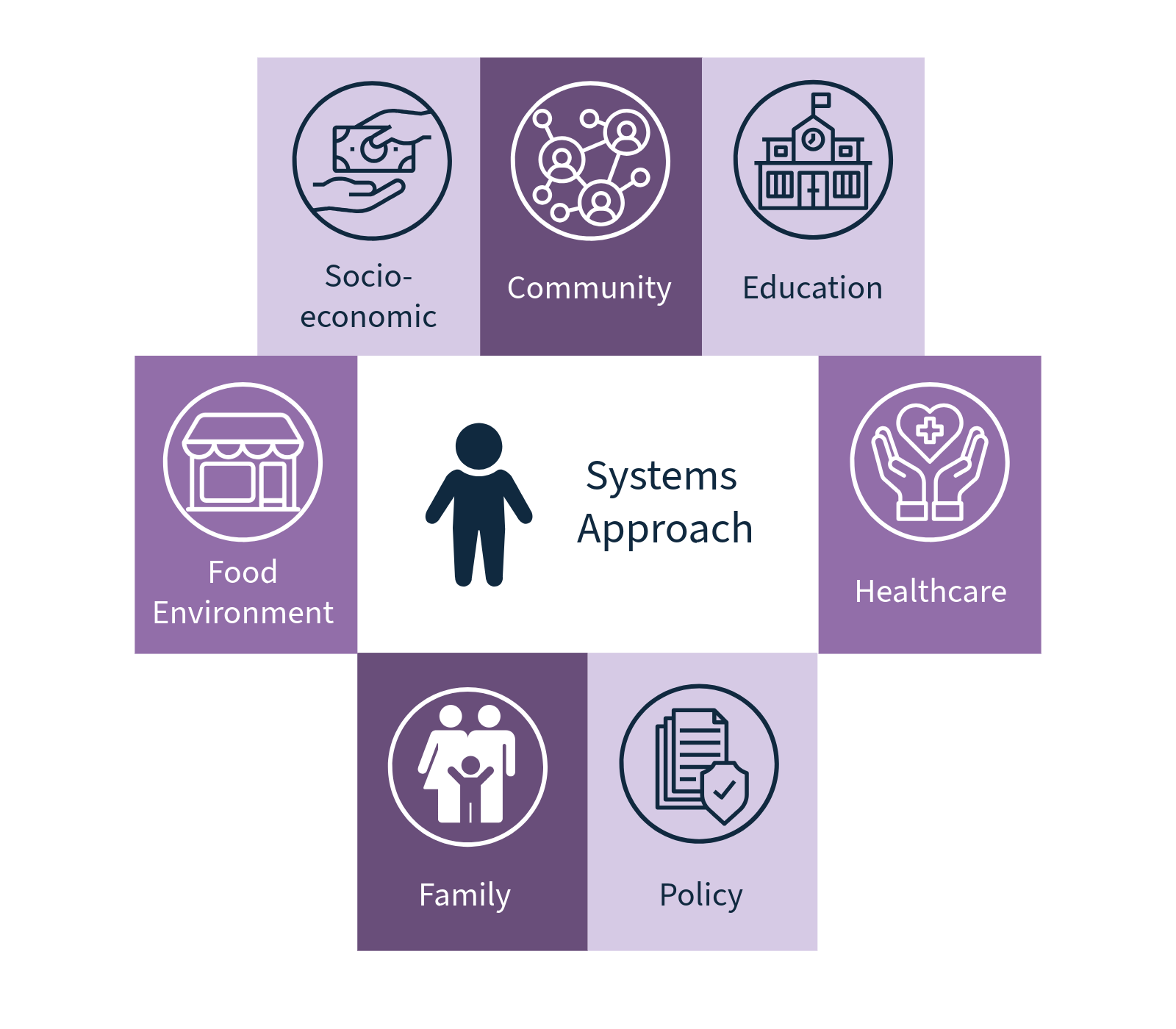
The review recommends a shift towards a systems-based approach to childhood obesity. This means looking beyond individual behaviours and considering the wider factors that influence health, including food environments, poverty, education, housing and access to services.
While there is still much to learn about how best to implement these approaches, the review highlights the importance of political commitment, investment and managing potential conflicts of interest. Emerging evidence also suggests that policies to improve local food environments are likely to be most effective when combined with action to address wider social and economic disadvantage.
Paper
Marthe Smedinga, Michael Rossiter, Joshua R. Marx, Stuart McLennan. Ethical Issues Raised by Interventions to Prevent or Treat Childhood Obesity: A Systematic Qualitative Review. Obesity Reviews (2026).
