
Ultra-Processed Food Consumption Linked to Inflammation and Poorer Metabolic Health in Children
A new Obelisk study published in Nutrients suggests that diets higher in ultra-processed foods (UPFs) may be linked to inflammation and poorer metabolic health in children and adolescents.
The study, led by the University of Messina, reviewed existing evidence examining UPF consumption, inflammation and metabolic health in young people. While direct evidence remains limited, the findings support a plausible relationship between diets high in UPFs and adverse metabolic outcomes, reinforcing the importance of overall dietary patterns in children's health. The paper highlights the need for well-designed future studies to understand better whether UPF consumption directly contributes to these effects.
Background to the Study
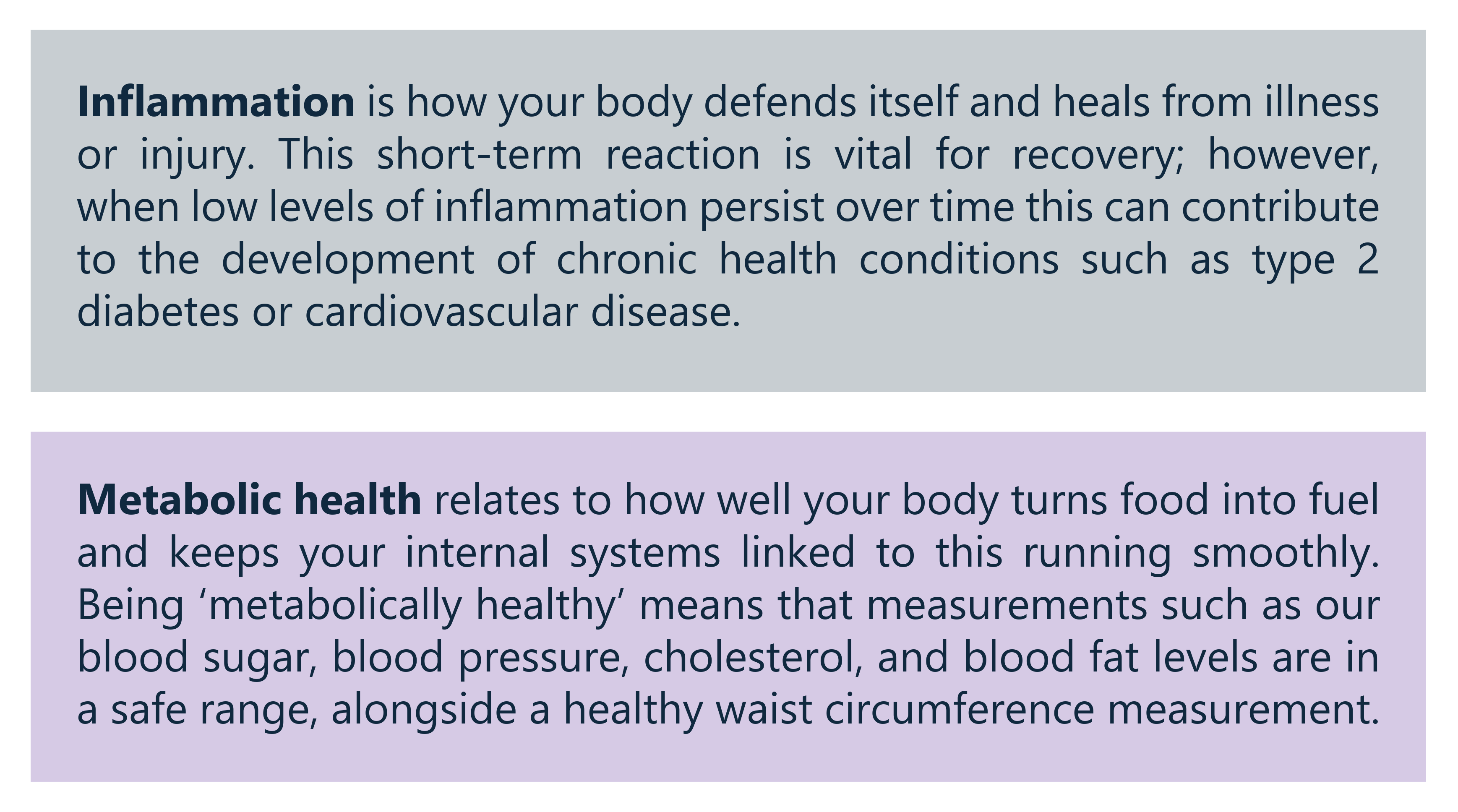
There is growing interest in the relationship between UPF consumption and health outcomes, including obesity, type 2 diabetes and cardiovascular disease. Beyond their nutritional content, UPFs may influence health through a range of mechanisms, including effects on appetite regulation, gut health, inflammation and metabolic function.
Childhood obesity is associated with a range of health complications that extend beyond body weight, including metabolic, cardiovascular and psychosocial consequences. Low-grade inflammation is thought to play an important role in many of these health outcomes.
Childhood and adolescence are critical periods of development, meaning that metabolic disturbances and inflammation during these years may have long-term implications for health. At the same time, UPF consumption has increased worldwide, with these foods now contributing more than half of daily energy intake in many high-income countries.
Despite growing concern about the links between UPFs, obesity and metabolic disease, evidence in children and adolescents remains limited. This Obelisk review aimed to examine the current evidence on the relationship between UPF consumption, inflammation and metabolic health in children and adolescents aged 18 years and under.
Study Methodology
A systematic literature search was conducted from September 2025 to January 2026 and included articles published in the last 10 years.The r After eligibility criteria was applied, [CW4.1]researchers identified eight relevant studies that explored how diets higher in ultra-processed foods may be linked to signs of inflammation and markers of metabolic health. These markers included measures related to blood sugar control, cholesterol levels and insulin resistance, which can provide an indication of future cardiometabolic health.
Study Findings
Only two of the eight studies directly examined UPF consumption. Both found an association between higher UPF intake and increased markers of inflammation in children, suggesting that UPFs may play a role in early inflammatory processes and future metabolic health. However, the limited number of studies means firm conclusions cannot yet be drawn.
The review also found that dietary patterns with greater inflammatory potential were consistently associated with poorer metabolic health outcomes, such as increased insulin resistance and altered levels of fat in the blood. These dietary patterns typically shared characteristics common to diets high in ultra-processed foods, including higher intakes of refined carbohydrates, saturated fats and added sugars, alongside lower fibre intake.
In contrast, dietary patterns considered more anti-inflammatory, such as the Mediterranean style dietary pattern, were associated with lower levels of inflammation and a reduced prevalence of metabolic syndrome in children and adolescents with obesity. Therefore, if followed, this dietary pattern could lower the risk of diseases such as type 2 diabetes or heart disease in this group.
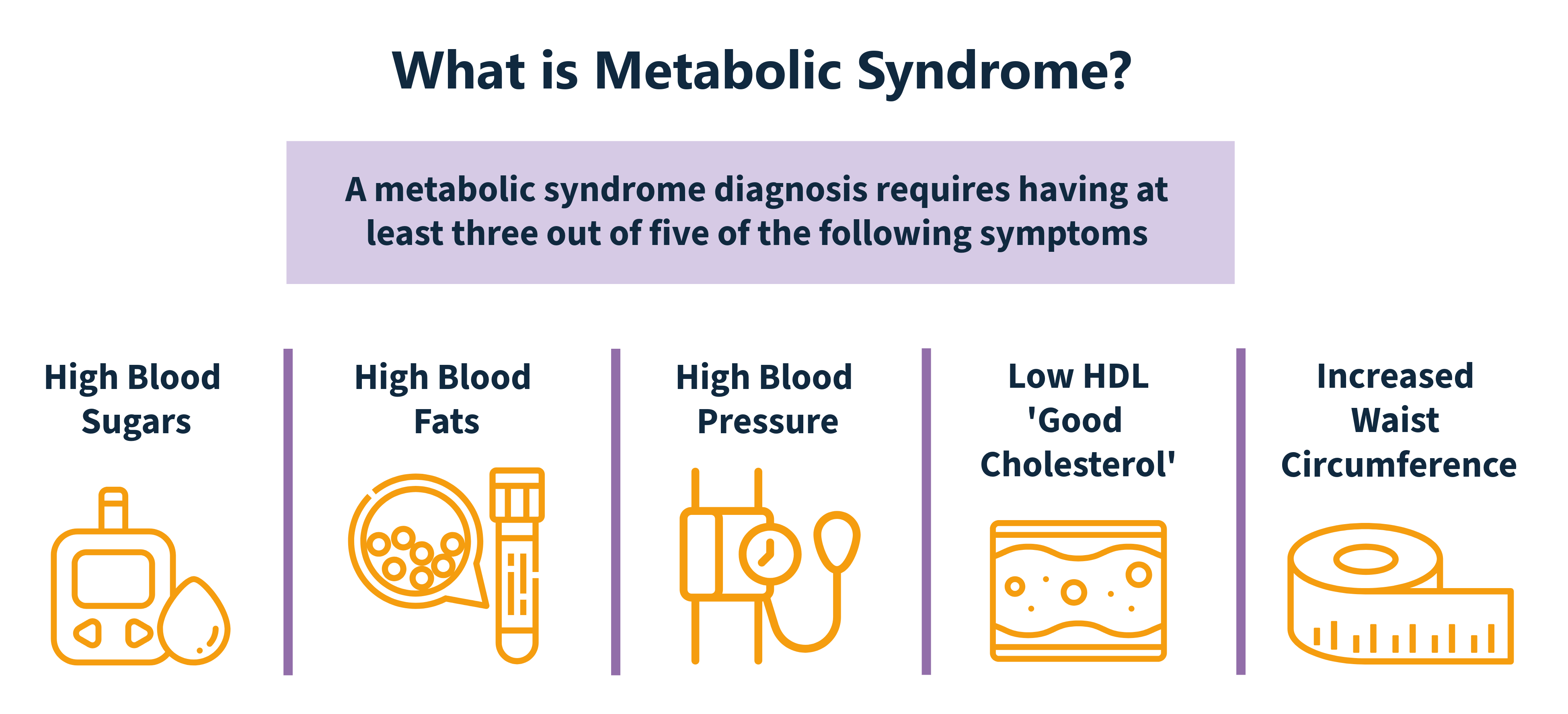
Overall, the findings suggest that children and adolescents who eat more ultra-processed foods tend to have higher levels of inflammation and poorer metabolic health. The results also indicate that the impact of these foods on health goes beyond their nutritional content, highlighting the importance of overall dietary quality and eating patterns.
Study Recommendations
Debora Porri, lead author of the study, said:
"Our findings suggest that from a clinical perspective, assessing dietary patterns should go beyond simply calorie intake to consider the wider dietary pattern. Targeting overall dietary quality may be a more sustainable and physiologically meaningful strategy than focusing solely on individual nutrients."
The authors highlight the need for further high-quality research to determine whether there is a causal relationship between ultra-processed food consumption, inflammation and metabolic health in children. A better understanding of these links could help to inform both public health policy and educational strategies aimed at improving diet quality in children and adolescents.
Paper
Debora Porri, Malgorzata Wasniewska, Letteria Anna Morabito, Giorgia Pepe, Domenico Corica, Tommaso Aversa et al. The Influence of Ultra-Processed Foods on Inflammation and Metabolic Health in Pediatric Obesity: A Systematic Review with a Narrative Synthesis. Nutrients 2026, 18(8), 1186.
